How Do Insurance Companies Determine Fault After a Car Accident in Salinas?
How Do Insurance Companies Determine Fault After a Car Accident in Salinas?
Insurance companies determine fault after a car accident by comparing the available evidence with traffic laws and deciding whose actions caused the collision.
Adjusters examine driver statements, crash reports, photographs, witness accounts, and other records. For drivers in Salinas, California, the outcome can affect payment for medical expenses, lost income, vehicle repairs, and other losses.
However, an insurance company’s assessment can be challenged. California allows responsibility to be shared, and being partly at fault does not automatically prevent an injured person from recovering compensation.
Whether a collision happens on Highway 101, along North Main Street, or at a neighborhood intersection, understanding how insurers evaluate responsibility can help you recognize missing evidence and respond to an unfair fault determination.
What Does an Insurance Adjuster Look for When Determining Fault?
An adjuster generally tries to reconstruct the sequence of events before, during, and immediately after the crash. The central questions include:
- What was each driver doing before impact?
- Who had the right of way?
- Did either driver speed, turn improperly, or change lanes unsafely?
- Did weather, visibility, or road conditions affect the collision?
- Which actions actually contributed to the crash?
The insurer also investigates coverage. A driver’s responsibility and the availability of insurance are separate issues: someone may have caused an accident even when a policy exclusion or coverage limit restricts what an insurer will pay.
Carelessness Must Be Connected to the Collision
Identifying a driving mistake is only part of the analysis. The investigation must also consider whether that mistake contributed to the accident.
For example, a driver’s failure to signal may matter in a sideswipe collision during a lane change. That same omission may have little relevance if the driver was already stopped when another vehicle struck them.
The strongest fault arguments connect specific conduct to the collision’s physical sequence.
What Evidence Helps Establish Fault After a Salinas Car Accident?
Evidence is most useful when multiple sources support the same explanation. A persuasive account can become stronger when photographs, witness observations, and vehicle damage independently confirm it.
Crash Reports
A report may identify drivers, witnesses, roadway conditions, vehicle positions, and an officer’s observations. It may also contain diagrams, statements, or information about suspected violations.
However, an officer may arrive after vehicles have moved and may not personally witness the collision. An insurer’s assessment should account for how the report’s conclusions were reached rather than treating every statement as equally reliable.
Photographs and Video
Useful images can show:
- Damage to each vehicle.
- Lane markings and traffic controls.
- Debris and visible tire marks.
- Obstructed views.
- Road conditions and vehicle positions, when safely documented.
Dashcam footage or recordings from nearby businesses may clarify a disputed traffic signal or lane change. Requesting preservation promptly matters because recordings may be overwritten.
Witnesses and Physical Evidence
Independent witnesses may help resolve conflicting driver accounts. Their location, viewing angle, and ability to see the entire event affect the usefulness of their statements.
In a serious or disputed collision, vehicle inspections, available electronic data, and accident reconstruction may help explain impact angles or vehicle movement. Such evidence requires careful interpretation; a damaged bumper alone rarely explains everything that happened.
Medical and Employment Records
Medical records and wage documentation primarily establish injuries and financial losses. They generally do not determine who had the right of way. Keeping fault evidence separate from damages evidence helps identify what the insurer is actually disputing.
How Does California’s Comparative Fault Rule Affect Compensation?
California follows pure comparative negligence. An injured person’s damages may be reduced by their percentage of responsibility, including when their share exceeds 50%. California’s civil jury instructions explain that comparative fault requires negligent conduct that contributed to the person’s harm. courts.ca.gov
Consider this hypothetical:
A driver turns left across an approaching vehicle’s path. Evidence also shows that the approaching driver was speeding. If the injured approaching driver has $100,000 in proven damages and is assigned 20% responsibility, the comparative fault reduction would leave $80,000 before other applicable limitations.
The insurer should have an evidentiary basis for the percentage it proposes. A statement such as “both drivers could have avoided it” does not explain why a particular allocation is justified.
For a Salinas injury claim, ask which conduct supports the proposed percentage and what evidence shows that conduct contributed to the crash. Small percentage differences can substantially affect the amount in dispute.
Do Certain Types of Collisions Automatically Establish Fault?
Crash patterns provide useful starting points, but the surrounding facts still matter.
Rear-End Collisions
A rear-end impact often raises questions about following distance, attention, and braking. Investigators should also consider whether another vehicle abruptly entered the lane, whether a vehicle reversed, or whether a third impact pushed one car into another.
Left-Turn and Intersection Accidents
Insurers examine signal phases, approaching traffic, sight lines, and the timing of the turn. A driver’s claim that they had a green light may need support from witnesses or video when the other driver says the same thing.
Lane Changes and Highway Crashes
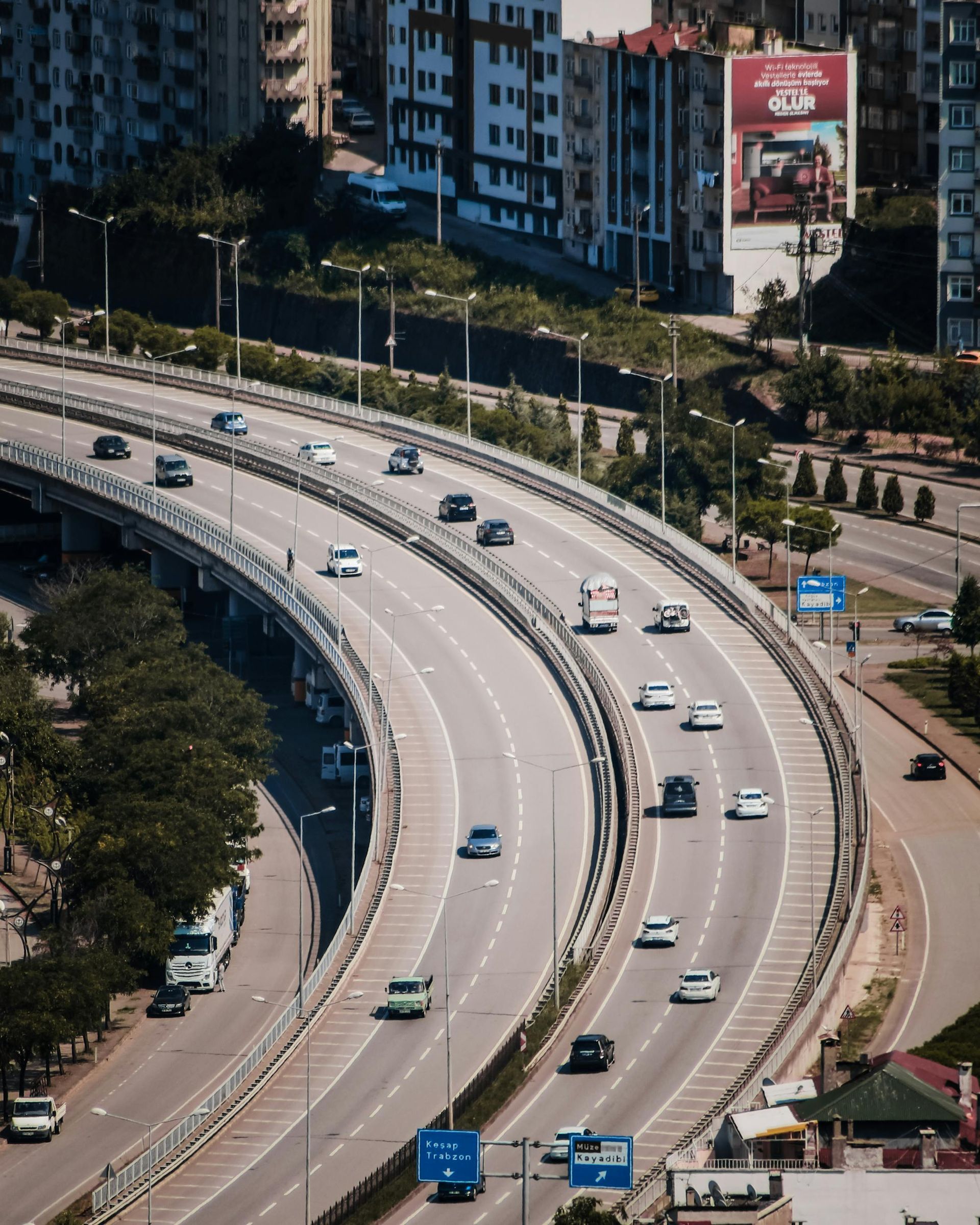
For collisions on Highway 101 near Salinas, relevant evidence may include the vehicles’ original lanes, merging movements, relative speeds, and impact locations. Damage along a vehicle’s side can be informative, but it may not conclusively establish which vehicle crossed the lane line.
Chain-Reaction Accidents
Multiple impacts require a sequence-based investigation. The last vehicle in a line is not necessarily responsible for every injury or every area of damage. Investigators may need to distinguish the initial collision from later impacts.
What Should You Do if the Insurance Company Blames You?
Start by identifying whether the insurer disputes fault, injury causation, the amount of your losses, or coverage. Each issue calls for different evidence.
Request a written explanation of the fault assessment. Then respond with specific corrections and supporting documents. For example, identify a witness the adjuster has not contacted or explain how photographs contradict the claimed impact location.
Practical steps include:
- Preserve original evidence. Keep photographs, video files, messages, repair records, and claim correspondence.
- Correct factual errors. Distinguish an incorrect detail from a disagreement with an investigator’s interpretation.
- Document communications. Record claim numbers, dates, representatives’ names, and requested follow-up.
- Seek legal review when the dispute affects significant losses. Counsel can evaluate missing evidence and available options.
Be accurate when describing the collision. Avoid guessing about speed, distances, or events you did not observe.
Your own policy may require cooperation with its investigation. A request from another driver’s insurer raises different considerations. Before providing a recorded statement, understand who is requesting it and whether you have an obligation to participate.
The California Department of Insurance provides consumer assistance for concerns about insurer conduct. A complaint should not be treated as a substitute for pursuing a civil claim or protecting a filing deadline. insurance.ca.gov
Protect Your Claim While Fault Is Being Investigated
Seek appropriate medical attention and report symptoms accurately. Preserve evidence as soon as possible, and notify your insurer promptly under your policy’s requirements.
California also requires a separate DMV SR-1 report within 10 days when a crash causes an injury, death, or property damage exceeding $1,000. Reporting to police or an insurance company does not replace that filing. California DMV
Do not assume that ongoing negotiations extend the time to sue. California personal injury lawsuits generally have a two-year filing deadline, although exceptions and different procedures can apply. Claims involving public entities can require earlier action, so the ordinary deadline should never be assumed to control every accident. Self Help Guide
Before signing a settlement release, understand which claims it resolves. Uncertainty about future medical treatment can make an early injury settlement especially consequential.
Frequently Asked Questions About Car Accident Fault in Salinas
Can an insurer find me at fault if I did not receive a ticket?
Yes. An insurance investigation evaluates civil responsibility using the available evidence. The absence of a citation does not establish that a driver acted reasonably. Likewise, receiving a ticket does not resolve every question about causation, shared responsibility, or damages.
What if the other driver changes their story?
Preserve any earlier statements already available to you, including texts and information recorded in the crash report. Identify the inconsistency for the adjuster and explain why it matters. Objective evidence can help resolve the conflict, but an inconsistent account does not automatically establish the other driver’s full responsibility.
Can I pursue a claim without a police report?
A missing report does not necessarily prevent a claim. Photographs, witness accounts, video, repair documentation, and other evidence may still establish what happened. Report the collision as required and avoid assuming the absence of an officer’s investigation means responsibility cannot be proved.
Can my insurance company and the other insurer disagree?
Yes. Insurers may receive different information or interpret the evidence differently. A disagreement does not make either assessment a binding court ruling. Depending on the claim, resolution may involve additional investigation, negotiations, applicable dispute procedures, or litigation.
Should I accept a quick settlement while fault is disputed?
Evaluate the offer’s scope before accepting. Determine whether it addresses vehicle damage, bodily injuries, or both, and whether a release gives up additional claims.
An offer may be difficult to assess before the extent of an injury and its financial consequences are reasonably understood.
Discuss a Salinas Car Accident Claim With Thelander Law
A fault determination should rest on evidence that explains how the collision happened. Missing video, overlooked witnesses, or unsupported assumptions about shared responsibility can change the evaluation of a claim.
If an insurer disputes responsibility after a car accident in Salinas, California, contact Thelander Law to discuss your circumstances and legal options. Understanding the evidence, potential damages, and applicable deadlines can help you make an informed decision about your next step.